
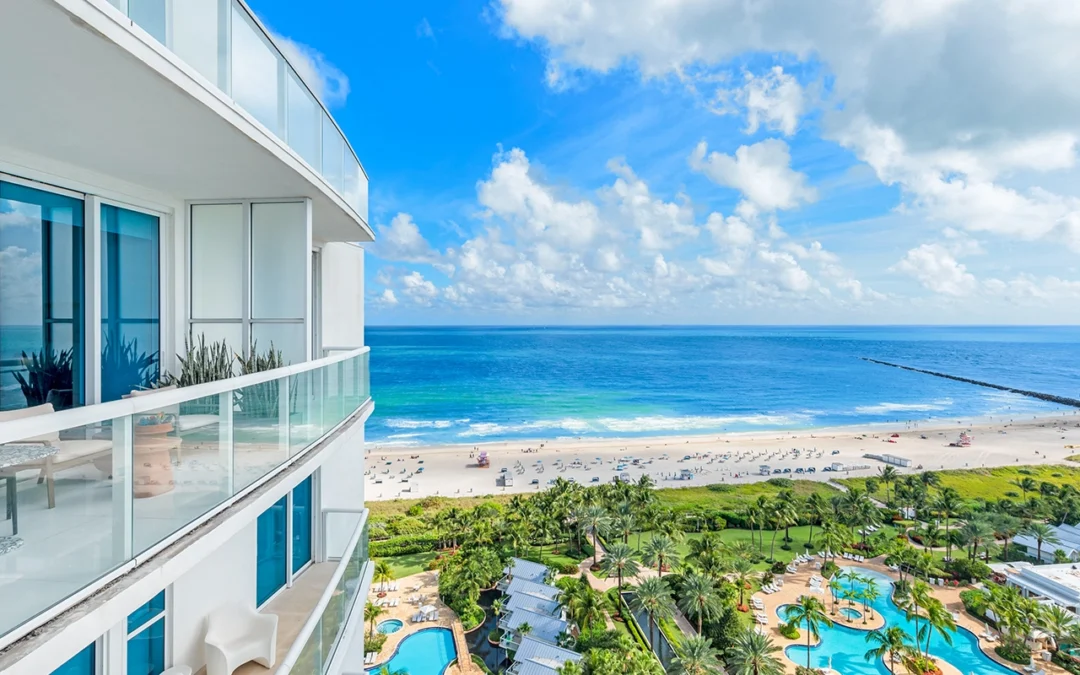
There is a reason that the most sought-after waterfront communities, resort towns, and second-home markets are not dominated by national franchise boxes. Clients who are purchasing a vacation property on the coast, a mountain retreat, or a private island estate are not shopping on volume. They are looking for someone who understands the lifestyle, the community, and the particular qualities that make one property worth the investment and another worth passing on. In those markets, boutique wins.
National brands are built for scale, not depth.
The infrastructure that makes a large franchise brand powerful in suburban residential markets. Broad agent networks, high-volume transaction systems, and mass market advertising works against it in lifestyle and luxury contexts. Clients in these markets are not impressed by size. They are looking for discretion, expertise, and a brand that feels like it belongs in the community. A national box that handles ten thousand transactions a year in cookie-cutter subdivisions does not carry the same weight on a barrier island or in a private mountain enclave.
Boutique brands signal something different to discerning clients.
When a brand is clearly curated, visually refined, and positioned around a specific lifestyle rather than a broad market, it communicates that the people behind it made intentional choices. That intentionality resonates with buyers and sellers who expect the same from the professionals they hire. SeaGlass was founded in the Virgin Islands with exactly this philosophy: that real estate in lifestyle markets should be personal, purposeful, and connected to the communities it serves.
Local identity is a competitive advantage, not a consolation prize.
In second-home and resort markets, agents who are genuinely embedded in the community consistently outperform those parachuting in from regional offices. They know which properties have the best light in the morning, which neighborhoods are gaining momentum, and which listings will move quietly without ever hitting the public market. A boutique franchise model preserves and amplifies that local identity rather than diluting it under a corporate umbrella. Franchise owners in the SeaGlass network bring their own deep market knowledge, backed by enterprise-level tools and a brand that matches the quality of what they sell.
The culture of the brand shapes the client experience at every level.
Boutique brands attract agents who chose the brand deliberately, which tends to produce a different kind of professional culture — one where relationships matter more than production quotas and where the reputation of every transaction reflects on the brand as a whole. That culture is difficult to manufacture at national scale, but it is the natural result of building something intentional and selective from the ground up. Explore the marketing and brand standards that define the SeaGlass experience.
If you are a broker/owner operating in a waterfront, resort, or lifestyle market, you already know that the national brands were not built for where you work. The question is whether you have the brand behind you that was. Talk with the SeaGlass franchise team about what a partnership could look like in your market.
Frequently Asked Questions
What types of markets is SeaGlass built for? SeaGlass was founded in the U.S. Virgin Islands and has expanded to waterfront, coastal, resort, mountain, and second-home markets across the United States. We also have a growing presence in lifestyle-forward suburban and emerging destination markets where a refined boutique brand stands out from the competition.
Can a boutique brand compete with national names on marketing reach? Yes. The advantage boutique brands hold in lifestyle markets is practical. A polished, targeted brand that speaks directly to the lifestyle of a specific market will consistently outperform generic mass-market advertising with the clients who matter most in those communities.
Do SeaGlass franchise owners serve luxury clients exclusively? Not exclusively, but the brand is designed to attract and serve discerning clients who value experience, expertise, and discretion. Many franchise owners serve a range of price points within their market while positioning their brokerage at the quality end of the spectrum.
Is there a minimum market size or transaction volume required to franchise with SeaGlass? The specifics depend on your market and your goals. The best way to find out if your market is a fit is a direct conversation with our franchise team. We look for markets where the SeaGlass brand can genuinely stand out and where the broker/owner is the kind of leader who elevates the brand as much as it elevates them.
Why does brand culture matter in real estate? Because clients and agents both make choices based on how a brand makes them feel. In lifestyle markets especially, the brand is part of the product. A culture that values relationships, local expertise, and quality over volume attracts the kind of agents and clients who make a brokerage worth building.